SENSEDiagnose the real problem

Context
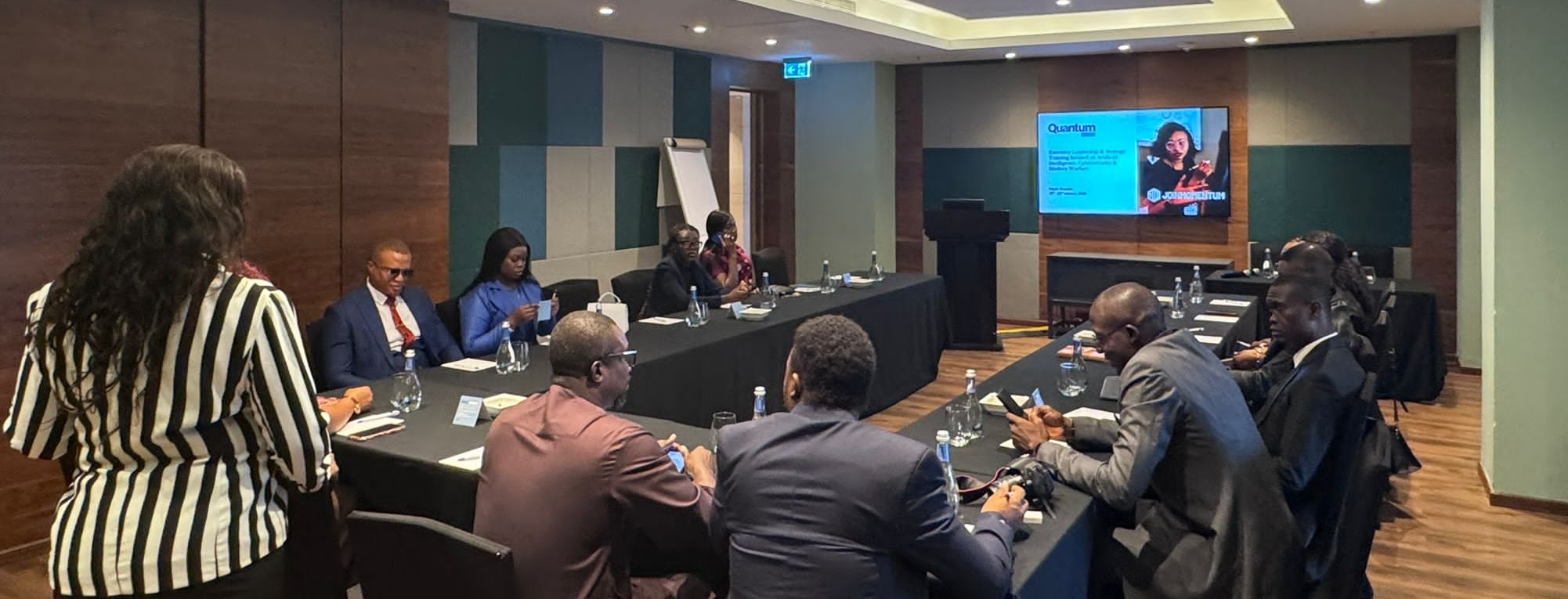
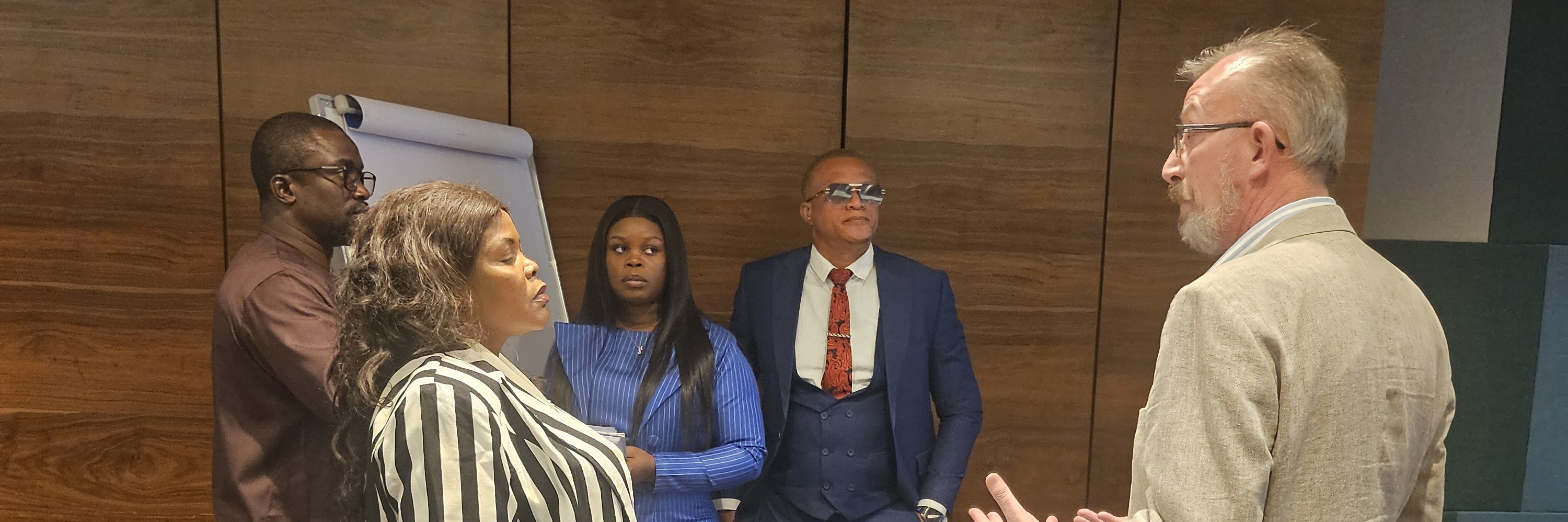
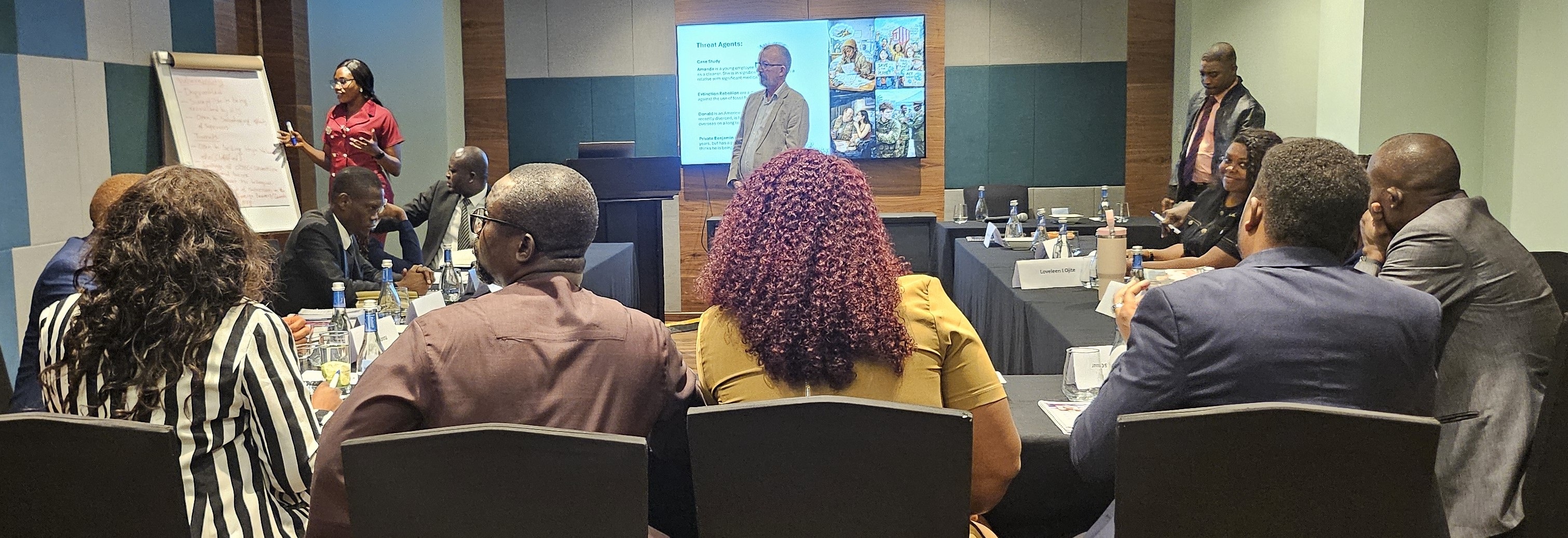
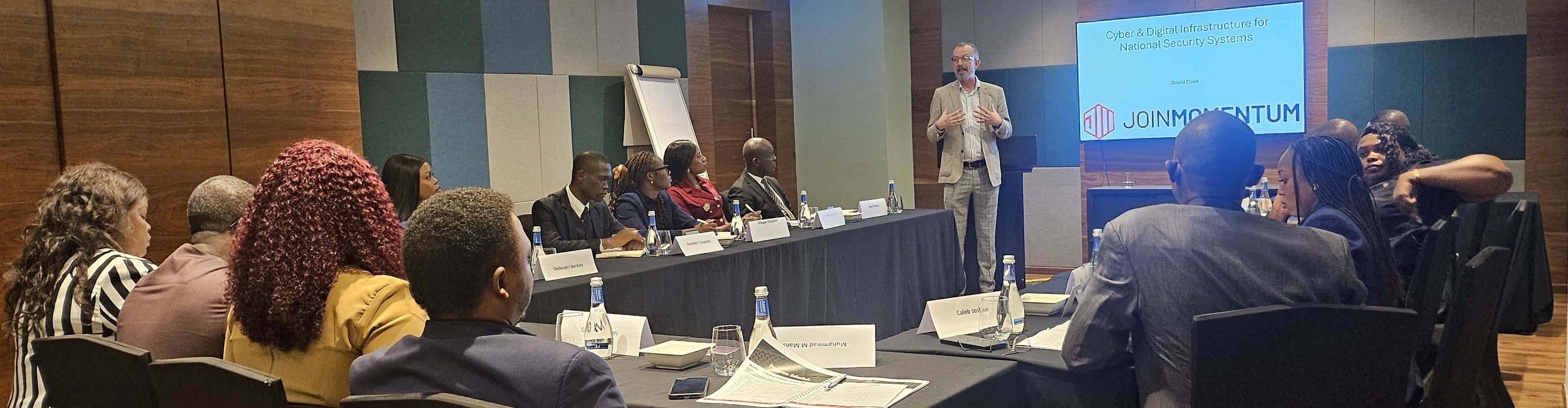
An overseas defence and security organization had a problem: their leaders understood cyber as a technical issue, but couldn't connect it to the operational decisions they actually made.
Personnel responsible for planning, coordination, and command needed to understand how cyber incidents affect real operations - not at a technical level, but in terms they could act on. What does it look like when things go wrong? What decisions actually matter under pressure?
The challenge wasn't just working out where the gaps were. It was helping them fix it.